
Our Food, Our Land, Our Health: Reflections from the 2026 Tribal Health Summit

I recently attended the 2026 Tribal Health Summit, Our Food, Our Land, Our Health, held at Campbell University in Buies Creek, North Carolina.
Presented by Blue Cross and Blue Shield of North Carolina’s Tribal Community Relations team, the two-day Summit brought together tribal leaders, health professionals, community advocates, entrepreneurs, and other partners committed to improving the health and well-being of American Indian communities in North Carolina.
The Summit’s theme recognized an essential truth: the health of Native people cannot be separated from our relationships with our lands, foods, cultures, communities, and systems of governance. Discussions throughout the event explored how traditional knowledge, food sovereignty, community investment, and tribally driven partnerships can create healthier futures for Native people.
During the presentations, I reflected on the important role that law and policy play in community health. Tribal sovereignty affects a nation’s ability to protect its lands and natural resources, develop its economy, direct health initiatives, preserve traditional knowledge, and build institutions that reflect the needs and values of its citizens.

Food Sovereignty Is Health Sovereignty
The Summit challenged participants to think about health more broadly than access to medical care alone. Health is also shaped by whether communities have access to nutritious and culturally meaningful foods, clean land and water, safe housing, economic opportunity, and the ability to make decisions for themselves.
For Native communities, food is more than nourishment. Food carries history, identity, family knowledge, ceremony, and relationships with place and people. Reconnecting Native people with traditional foodways can therefore support physical wellness while also strengthening cultural identity, mental and spiritual health, and intergenerational relationships.
Food sovereignty means that tribal communities have the authority and capacity to determine how food is grown, gathered, prepared, distributed, and shared. It requires more than encouraging individuals to make healthier choices. It requires addressing the legal, financial, geographic, and institutional barriers that have limited Native communities’ access to their own lands, foods, and agricultural economies.
The Summit demonstrated that meaningful improvements in tribal health must center Native knowledge and Native leadership rather than treating tribal communities as passive recipients of programs designed elsewhere.

Client Spotlight: Átkowa and the Revitalization of Indigenous Foodways
I was especially proud to see a Current Tribal Law & Policy, PLLC client, Christina Theodorou, represented within a gathering devoted to Indigenous food and health. Theodorou is a Lumbee chef and founder of Átkowa Indigenous Catering and Foodways of the Americas.

Átkowa is based in North Carolina and provides educational programming on Indigenous foodways in addition to catering services. Its name means “gather” and reflects the business’s commitment to bringing people together through the foods and culinary traditions of Indigenous peoples.
Átkowa celebrates Native foods while helping communities understand the histories, nutritional value, and cultural significance carried within those foods. Its work has included Indigenous catering, community education, food demonstrations, and conversations about Native crops and traditional food preparation.
Átkowa’s work illustrates why Indigenous entrepreneurs are so important to community wellness. A meal can be an opportunity to teach history, support economic development in Native communities, preserve traditional knowledge, and introduce people to healthy foods through a culturally relevant experience.
These businesses also help challenge the widespread erasure of Native cuisine. Although Indigenous foods have profoundly shaped what people eat across the United States and throughout the world, Native culinary knowledge and Native chefs are too often left out of mainstream discussions about food, agriculture, and nutrition.
Supporting businesses like Átkowa is therefore about more than purchasing a meal or hiring a caterer. It is an investment in Indigenous entrepreneurship, cultural preservation, community education, and healthier food systems.
Current is honored to support Átkowa as it continues building a business rooted in gathering, generosity, culture, and the enduring power of Indigenous foodways.

The Sovereign Equity Fund and a Powerful Keynote Message
A central highlight of the Summit was the keynote address by Courtney Chavis, the Executive Director of Sovereign Equity Fund, whose work directly reflects the gathering’s theme.
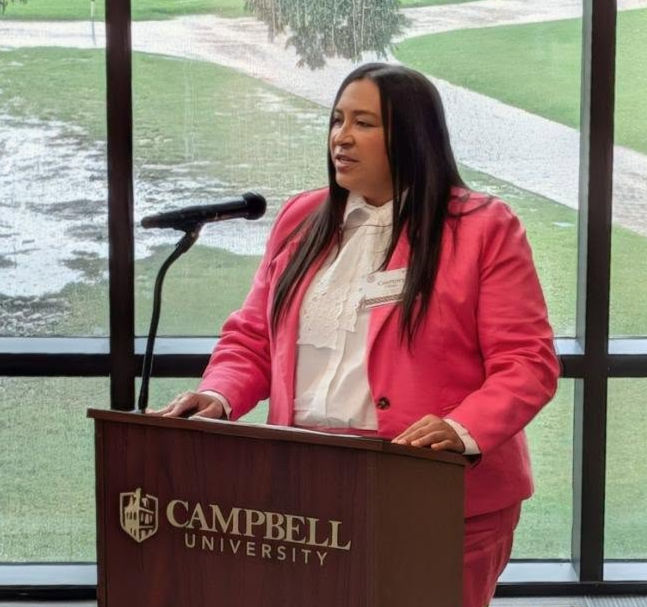
The Sovereign Equity Fund (“Fund”) mobilizes and aligns capital to advance Native agricultural infrastructure and Indigenous food systems. Its approach recognizes that food sovereignty cannot be achieved through isolated or short-term projects alone. Tribal communities and Native producers need access to sustained capital, infrastructure, technical support, and investment models that respect tribal governance, local capacity, and community values.
Chavis, a citizen of the Lumbee Tribe of North Carolina, highlighted the relationship between our lived experiences, relationship with land, sovereignty, and capital. Native communities may possess the knowledge, land connections, and vision necessary to strengthen their local food systems, but those efforts are often constrained by limited access to financing and infrastructure.
A functioning food system requires more than growing food. It may also require land access, processing facilities, storage, transportation, distribution networks, market development, business assistance, and long-term operational support. When those resources are absent, Native farmers, producers, and food businesses face barriers that cannot be solved through individual effort alone.
The Fund’s work offers a model that seeks to direct resources toward Native agricultural and food-system development while recognizing the right of Indigenous communities to control their own priorities.
The keynote also underscored the importance of moving beyond temporary programming toward lasting community assets. Investments in Native agriculture and food infrastructure can support improved nutrition, business development, workforce opportunities, environmental stewardship, and greater resilience during disruptions to regional or national food systems.
Tribal sovereignty and Native people having the authority, resources, and infrastructure necessary to feed their own communities and determine their own economic futures go hand in hand.
Building Relationships with Tribal Communities: Teryn Brewington’s Leadership
The Summit also reflected the sustained work of Teryn Brewington, a citizen of the Sappony Tribe and Manager of Tribal Community Relations at Blue Cross and Blue Shield of North Carolina.

Effective engagement with tribal communities requires more than inviting Native representatives into an existing institutional process. It requires listening, relationship-building, consistency, and an understanding that each tribal nation and urban Indian community has its own history, leadership, priorities, and needs.
The work of Brewington and her team has helped create opportunities for tribal leaders, Native health advocates, community organizations, and other partners to communicate directly about the health challenges facing their communities. Those relationships have supported convenings, wellness initiatives, and community partnerships designed to elevate Native perspectives.
The Tribal Health Summit itself demonstrates the value of that work. Bringing diverse participants together around food, land, and health creates opportunities for relationships that may continue well after the formal sessions conclude.
This type of community-relations work is especially important because American Indian communities have often experienced programs and policies developed without meaningful tribal participation. Trust cannot be established through a single event. It develops when institutions remain present, listen carefully, follow through on commitments, and treat tribal communities as partners with expertise rather than simply as populations to be served.
Brewington’s leadership also helps ensure that tribal health is not discussed solely through statistics about disparities. Although identifying disparities is necessary, communities must also be recognized for their knowledge, innovation, resilience, and ability to design their own solutions.
By helping create space for tribal voices and supporting sustained relationships with Native communities, Brewington and the Tribal Community Relations team are contributing to a more respectful and collaborative approach to health engagement in North Carolina.
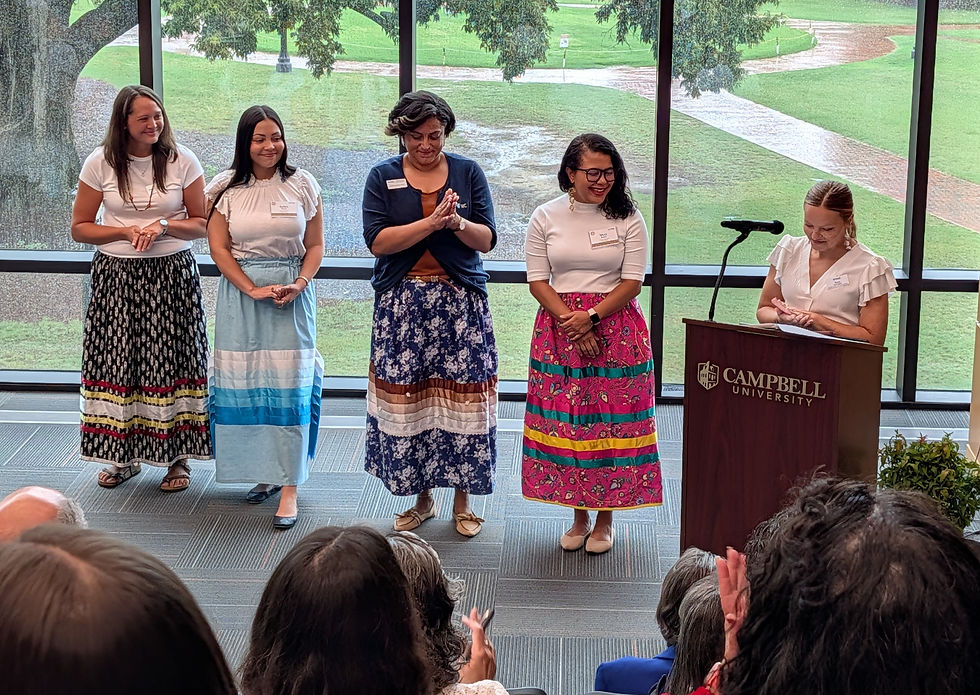
From Conversation to Community-Driven Action
One of the strongest themes emerging from the Summit was that lasting progress depends on collaboration that respects sovereignty and is driven by the communities most affected.
Tribal governments, Native-led organizations, businesses, philanthropic institutions, health insurers, universities, and other partners each have resources and expertise to contribute. Their work is most effective when tribal communities are involved from the beginning in identifying priorities, designing programs, governing information, and evaluating outcomes.
The Summit also provided an important opportunity to connect people working across different parts of the same larger system. A farmer, chef, attorney, health professional, funder, and tribal leader may approach community wellness from different perspectives, but their work is interconnected.
Law and policy determine who controls land and resources. Capital determines which ideas can be developed and sustained. Food businesses help preserve knowledge and make culturally meaningful foods accessible. Health organizations can support community-based initiatives and help address gaps in care. Tribal leaders and citizens provide the knowledge and direction that must guide all of those efforts.
When these areas are brought together thoughtfully, communities can move beyond temporary interventions and begin building durable systems rooted in sovereignty, culture, and local priorities.

Current’s Commitment to Healthier and Stronger Tribal Nations
Current Tribal Law & Policy, PLLC works with tribal governments, Native organizations, businesses, and community partners on legal and policy matters that affect sovereignty, governance, economic development, natural resources, and institutional capacity.
The 2026 Tribal Health Summit reinforced that these areas are deeply connected to health. A community’s legal authority, land base, infrastructure, economy, and access to capital all influence the health and opportunities available to its citizens.
I left the Summit encouraged by the leaders, businesses, organizations, and community advocates working to strengthen Indigenous food systems and improve the health of Native communities throughout North Carolina.
Current extends its appreciation to Blue Cross and Blue Shield of North Carolina’s Tribal Community Relations team, the speakers, organizers, vendors, and participants who made the gathering possible.
The message of the Summit was clear: our food, our lands, and our health are inseparable and Native communities must remain at the center of decisions affecting all three.


Nice pizza van